A $2,500 Surprise
What We Learned from Piloting a New Museum Giving Platform
As museums, libraries, archives, and cultural organizations continue to navigate an increasingly challenging fundraising environment, we are constantly looking for tools that make giving easier, more accessible, and more aligned with how donors want to support the organizations they care about.
Recently, The Peale began piloting KindKiosk as part of The Lab @ The Peale, our initiative exploring new technologies that support storytelling, engagement, accessibility, and sustainability in the cultural sector.
What happened next surprised us.
Within days of deploying the system, a visitor used the kiosk to make a $2,500 gift through a donor-advised fund (DAF) using KindKiosk’s integration with Chariot.
For a large institution, a $2,500 gift may not seem extraordinary. For a small nonprofit museum, however, it is significant. More importantly, it highlighted something we had not fully appreciated: removing friction from the giving process matters.
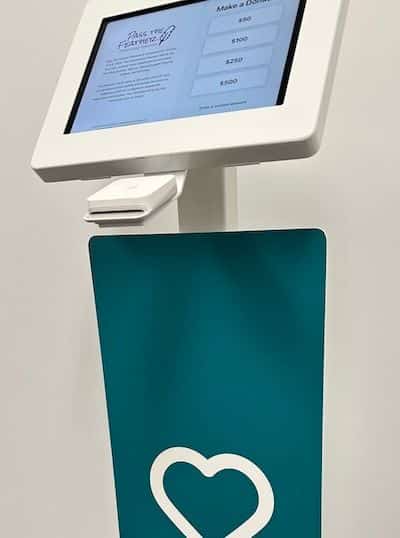
Many donors now manage charitable giving through donor-advised funds. Yet most museums and cultural organizations still make accessing those funds more difficult than it needs to be. By allowing visitors to connect directly to their DAF account at the point of inspiration, KindKiosk created a pathway that was simple, immediate, and intuitive. This experience reinforced a broader lesson. The future of fundraising is not simply about asking for support. It is about meeting donors where they are and making it easy for them to act when they feel inspired.
At The Peale, we view this pilot as part of a larger effort to explore how technology can strengthen the relationship between cultural organizations and their communities. Through The Lab @ The Peale, we are testing tools that can help museums and other GLAM institutions improve visitor experiences, capture community stories, expand access, and create more sustainable revenue streams.
We are grateful to KindKiosk for working with us as a nonprofit partner and for supporting innovation within the cultural sector. We look forward to continuing to evaluate the platform and sharing what we learn with colleagues across Baltimore and beyond. One pilot does not establish a trend. But when a new tool generates a meaningful gift almost immediately, it deserves attention.
Sometimes innovation arrives not through a major capital project or a multimillion-dollar campaign, but through a simple improvement that helps a donor say “yes” at exactly the right moment. That is a lesson worth sharing.